
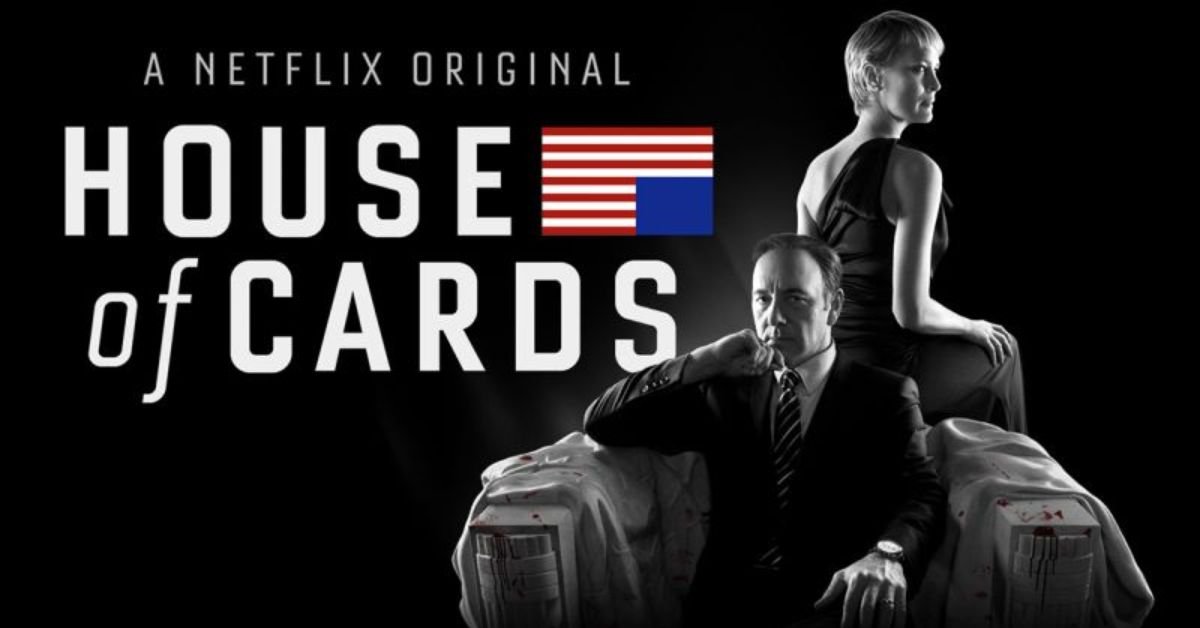
In 2011, Netflix made a decision that changed how entertainment is developed. The move was not loud at the time, but its consequences were massive. They did not just launch a political drama. They launched proof that data could guide creative risk without replacing it.
The story behind House of Cards is often retold like a legend: visionary creators, perfect casting, sharp storytelling, awards, and cultural noise. But the real plot began much earlier, in spreadsheets, viewing behavior, and patterns no traditional studio would have prioritized over instinct.
The Assumptions Netflix Challenged
At the time, most networks relied on pilots to test shows. The assumption was simple: make one episode, measure audience reaction, and decide whether to continue.
Netflix questioned the premise itself. Why test a show using a sample episode when you can test it using years of audience behavior? Why guess who might like political drama when you can verify who already does? Why rely on opinion when patterns already exist?
Their confidence did not come from ego. It came from evidence.
The Data That Pointed the Direction
Netflix studied audience segments and found a few meaningful signals:
- Viewers between 25 and 45 showed strong engagement with political dramas.
- Fans of the original UK version of House of Cards overlapped heavily with viewers who followed work connected to Kevin Spacey.
- Audiences who consumed long, structured narratives tended to finish seasons when the tone was dark, layered, and deliberate.
- David Fincher’s previous work had already demonstrated high completion rates among binge-viewers.
- Engagement spikes during late-night viewing suggested appetite for serious, complex storytelling rather than casual entertainment.
None of this guaranteed success. But it removed guesswork from the foundation.
The Boldest Assumption They Made Next
The most interesting part was not the data they used, but the assumption they made after the data was clear.
They skipped the pilot entirely and committed to producing two full seasons upfront. That was unheard of at the time. But the reasoning was simple: if the audience behavior already proves demand, then testing the show again through a pilot is redundant.
This was not creative intuition. It was calculated conviction.
The Result Everyone Saw Later
The outcome validated the decision: global attention, awards, conversation dominance, and a long run that shaped streaming-era storytelling. But the real lesson is not that Netflix succeeded. It is why their success felt surprising to others but not to themselves.
They did not build a show around what people might watch. They built it around how people already watched.
The Larger Takeaway
Data did not replace drama. It enabled it. It gave the creators a stage to operate without needing to defend the concept first.
Most industries treat data as a tool to optimize a finished idea. Netflix used it to justify building one.
And that shift has aged well. Today, billion-dollar creative decisions are increasingly informed by patterns, clusters, completion curves, behavioral overlap, and predictive segmentation.
What looked like a creative gamble was actually a framework-led decision executed creatively.
Closing Thought
The future of content is not creativity versus data. It is creativity built on the right data.
The question worth asking now is not, Can data produce great art?
It is, Why are we still treating data like a second step instead of a starting point?
