
The speed at which AI is evolving right now feels unreal when you pause to think about it. In just the past few weeks, AI image and video generation has taken a leap forward in creativity, detail, and realism that we assumed was years away.
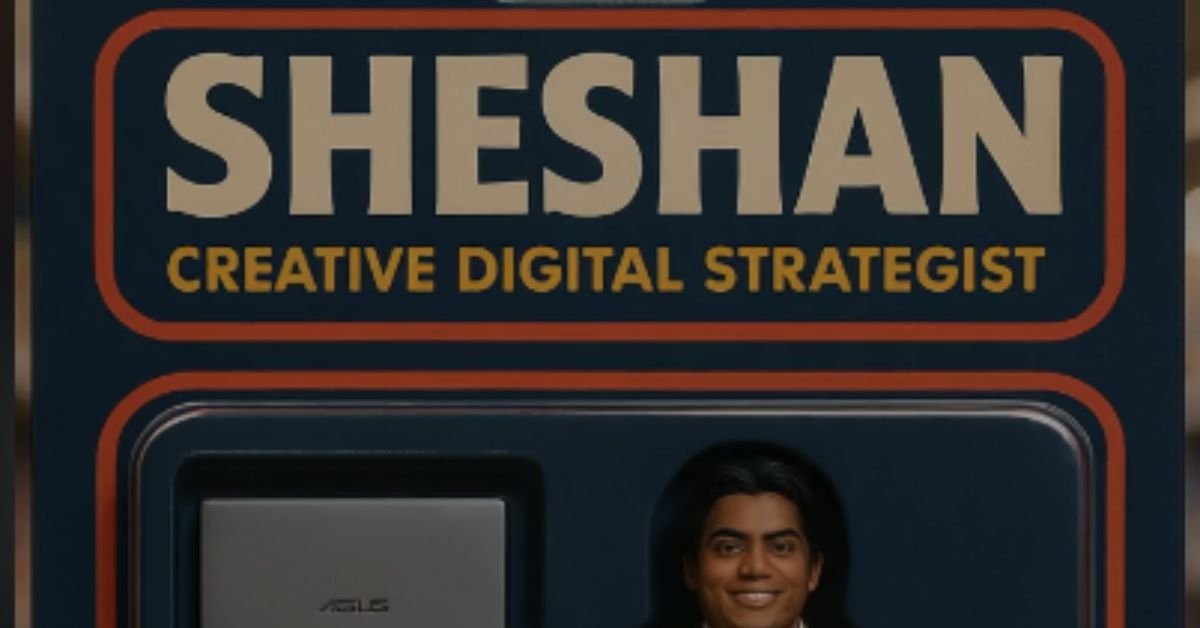
Naturally, I wanted to test it by doing something practical, personal, and slightly ambitious: generating a customized 3D action figure of myself and then animating it realistically using AI.
It was part trend, part experiment, and part proof that creative tech is no longer waiting for permission to evolve.
From 3D Model to a Digital Mini-Me
The process started exactly where it should have: with me. I fed reference images into an AI model and generated a 3D-style action figure that looked clean, stylized, and structured enough to animate later. The figure had depth, proportion, and a visual identity that actually resembled me instead of a generic avatar.
The more I refined the prompts, the clearer the outputs became. It was not about making the figure “cute” or exaggerated. It was about getting the geometry right so the animation engine had something solid to work with.
Bringing the Figure to Life
Once the 3D figure was generated, the next step was animation. AI tools today are bridging the gap between static 3D assets and motion realism using machine-learned physics, lighting approximation, frame interpolation, and motion-aware character rigging.
That is the real unlock. It is not just a 3D model moving. It is a 3D model behaving.
The animation did not need over-the-top effects to impress. It impressed by simply being convincing in motion. Subtle muscle movement, realistic rotation, proper light falloff, and physics that respected mass and momentum instead of ignoring them.
That is where AI magic actually lives. In the details that behave correctly without needing to scream for attention.
Why This Matters to Me
I enjoy design and tech most when it is about transformation, not trends alone. This experiment gave me a reminder that AI art is fun when it mimics a style, but it becomes valuable when it mimics you, your motion, your structure, your identity, and the physical logic that governs the real world.
A tool becomes a turning point when it starts reflecting you instead of reshaping you.
Final Result and Final Thought
The final output was a full 3D action figure animated realistically using AI. A digital version of me, built like an object, but moving like a person.
Not perfect. Just convincingly alive.
And that is the interesting part about AI right now. It is evolving fast, but the tools are finally mature enough for us to evolve into it with intention rather than imitation.
If you want the future of design and storytelling to feel real, you don’t start by watching the trend. You start by stepping into it yourself!
