
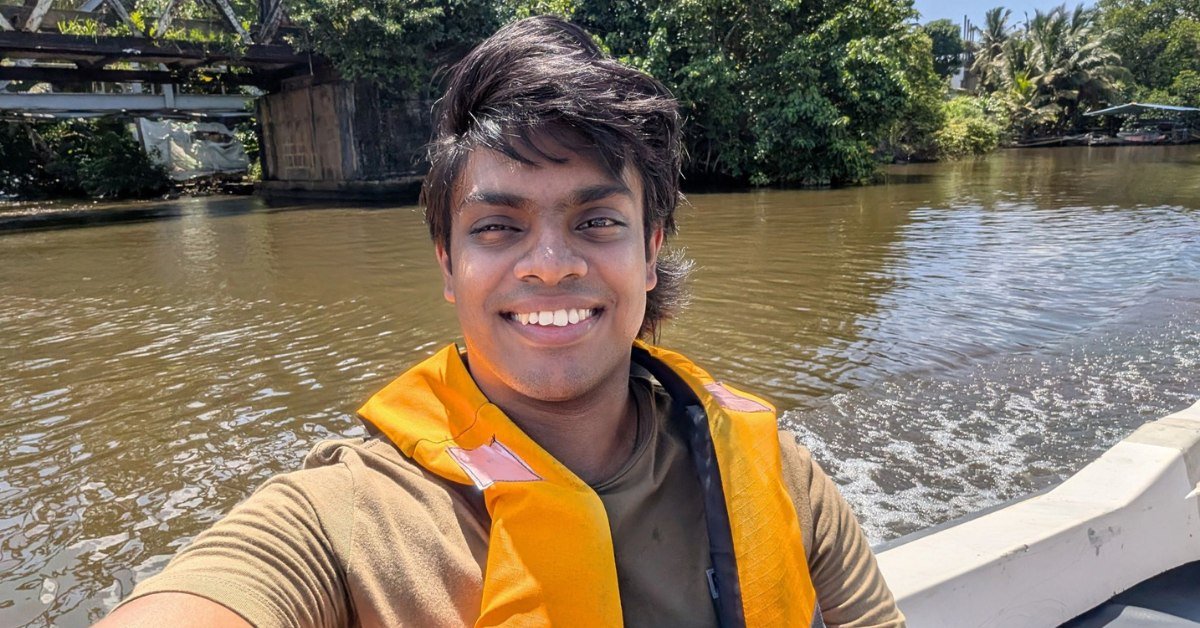
Last Tuesday morning, I stepped out into the mangroves of Galle and Bentota to gather insights and visuals for an upcoming CSR project.
Mangroves may not always get the spotlight, but their importance is massive. These ecosystems act as natural barriers, protecting our coastline from erosion and storm surges. They also serve as breeding and shelter grounds for marine species, which helps sustain local fishing communities. Another key benefit is their ability to absorb and store carbon, making them a strong contributor to reducing the impact of climate change.
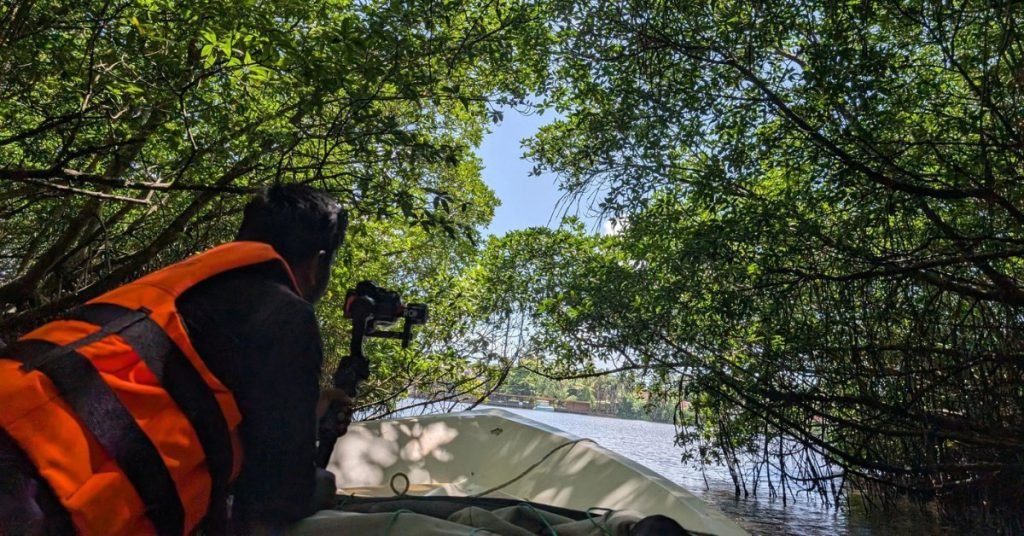
During the field visit, we took a boat ride deep into a mangrove forest, which offered a close look at how these environments function. The root systems trap sediment, stabilize the soil, and create a safe habitat for creatures like crabs, fish, and amphibians. The level of biodiversity packed into these areas is impressive, especially considering how small the ecosystem can look from the outside.
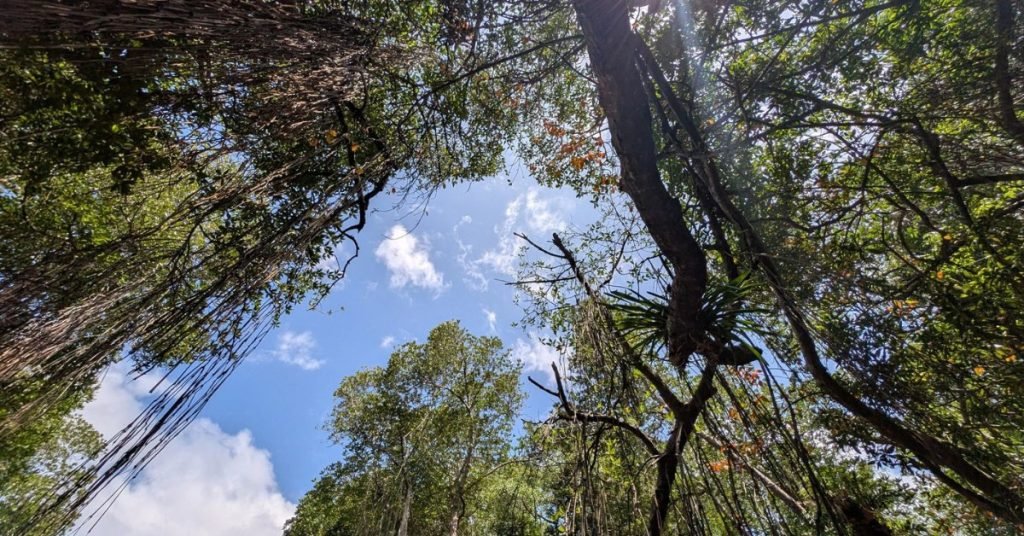
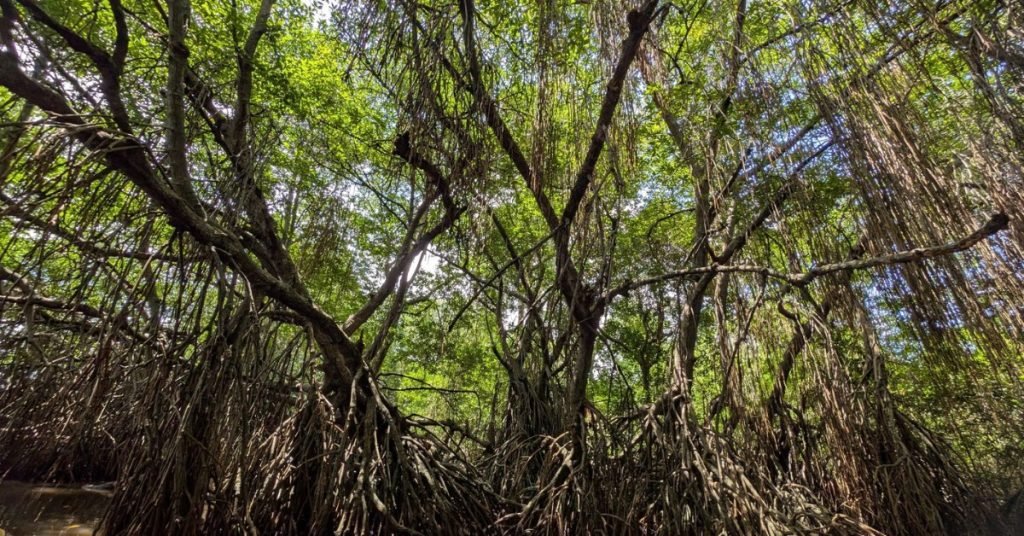
What stood out the most to me was how much these forests support without asking for anything in return. They protect land, support livelihoods, improve water quality, and strengthen environmental resilience… all at the same time.
Being part of a project that aims to raise awareness about mangroves feels meaningful. If we want a sustainable future for Sri Lanka, protecting ecosystems like these should be a priority. Conservation isn’t just an environmental goal, it’s an economic and community one too.
Small steps add up. Awareness leads to action. And protecting mangroves today means a safer, stronger coastline and community tomorrow.
